

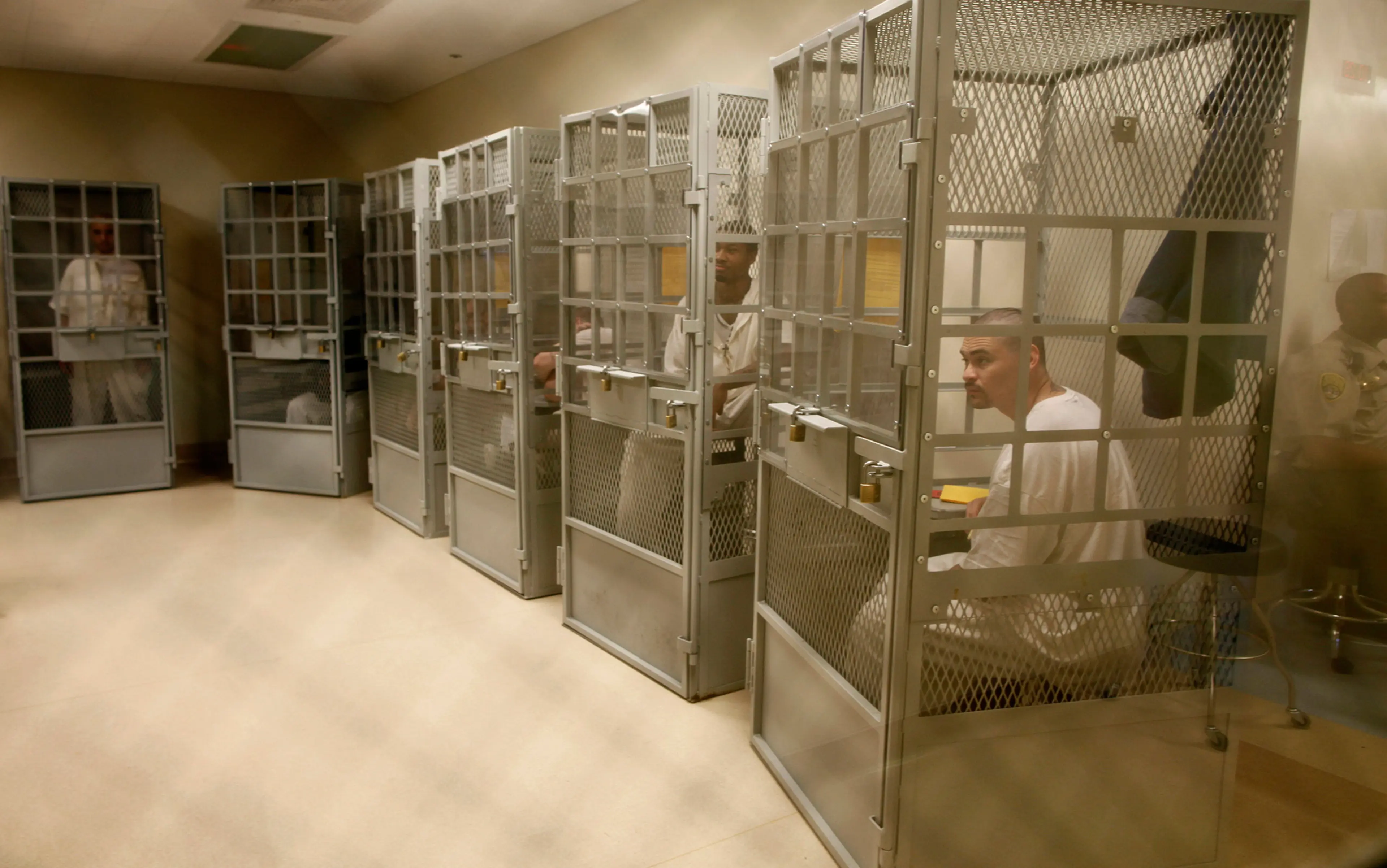
Prisons are designed to protect society by holding individuals who have been convicted of crimes while offering opportunities for rehabilitation. However, the reality of incarceration often raises important questions about human rights, justice, and dignity. Issues such as solitary confinement, prison healthcare, wrongful imprisonment, due process for inmates, and overall prison conditions continue to shape discussions among lawmakers, human rights advocates, and correctional professionals worldwide.
A prison sentence removes a person’s freedom, but it should not remove their basic human rights. Every inmate deserves access to safe living conditions, medical care, and fair legal treatment regardless of their offense. Understanding these topics helps create a more balanced perspective on how correctional systems can protect public safety while respecting human dignity.
Why Prison Conditions Matter
The quality of prison conditions affects not only incarcerated individuals but also prison staff, families, and communities. Most inmates eventually return to society, making rehabilitation an important part of public safety.
Healthy prison environments contribute to:
· Reduced violence within correctional facilities
· Better physical and mental health outcomes
· Increased chances of successful rehabilitation
· Lower rates of repeat offenses
· Improved workplace safety for correctional officers
Poor prison conditions, on the other hand, can create stress, increase conflict, and make rehabilitation far more difficult.
Understanding Solitary Confinement
One of the most debated correctional practices is solitary confinement. This involves separating an inmate from the general prison population, often for 22 to 24 hours per day with minimal human interaction.
Correctional facilities may use solitary confinement for several reasons:
· Protecting vulnerable inmates
· Disciplining rule violations
· Preventing violence
· Managing high-risk individuals
· Temporary security concerns
While administrators often view solitary confinement as a security tool, critics argue that extended isolation can have significant psychological effects.
Mental Health Effects
Research has shown that prolonged isolation may contribute to:
· Anxiety
· Depression
· Sleep disorders
· Difficulty concentrating
· Emotional distress
· Increased risk of self-harm
Many experts recommend limiting the duration of solitary confinement and increasing mental health support for inmates placed in isolation.
The Importance of Prison Healthcare
Access to quality prison healthcare is a fundamental responsibility of correctional institutions. Incarcerated individuals often enter prison with existing medical conditions, and many develop new health concerns during their sentence.
Healthcare services inside prisons typically include:
· Primary medical care
· Emergency treatment
· Mental health counseling
· Dental services
· Medication management
· Preventive screenings
Providing proper healthcare protects both inmates and the wider community since many prisoners eventually returns to public life.
Common Healthcare Challenges
Correctional healthcare systems often face several obstacles, including:
· Limited medical staff
· Overcrowded facilities
· Budget constraints
· Mental health treatment shortages
· Delays in specialist care
Improving prison healthcare benefits everyone by reducing disease transmission, improving rehabilitation, and lowering long-term healthcare costs.
Wrongful Imprisonment: A Serious Justice Issue
Perhaps one of the most troubling concerns within any justice system is wrongful imprisonment. This occurs when an innocent person is convicted and incarcerated for a crime they did not commit.
Wrongful imprisonment can result from multiple factors, including:
· Mistaken eyewitness identification
· False confessions
· Prosecutorial misconduct
· Inadequate legal representation
· Faulty forensic evidence
· Official errors
Advancements in DNA testing have helped overturn numerous wrongful convictions, highlighting the importance of continual review and legal safeguards.
The Human Cost
The consequences of wrongful imprisonment extend far beyond lost freedom.
Individuals may experience:
· Emotional trauma
· Family separation
· Financial hardship
· Career disruption
· Social stigma
· Long-term psychological effects
Many exonerates spend years rebuilding their lives after being released.
Due Process for Inmates Protects Justice
Even after conviction, due process for inmates remains an essential part of the legal system. Due process ensures that prisoners receive fair treatment whenever decisions significantly affect their rights or living conditions.
Examples include:
· Disciplinary hearings
· Sentence appeals
· Access to legal counsel
· Grievance procedures
· Medical care decisions
· Protection from unlawful punishment
Without due process, correctional systems risk becoming arbitrary and unfair.
Why Due Process Matters
Protecting due process for inmates helps ensure:
· Accountability within prisons
· Fair disciplinary actions
· Protection against abuse
· Respect for constitutional rights
· Greater public confidence in the justice system
Justice should remain consistent, even within correctional facilities.
Mental Health inside Correctional Facilities
Mental health has become one of the biggest challenges facing prisons worldwide.
Many incarcerated individuals struggle with conditions such as:
· Depression
· Anxiety disorders
· Post-traumatic stress disorder
· Bipolar disorder
· Substance use disorders
When combined with poor prison conditions or extended solitary confinement, untreated mental illness can become significantly worse.
Modern correctional systems increasingly recognize the importance of:
· Psychological counseling
· Crisis intervention
· Suicide prevention
· Medication management
· Rehabilitation programs
Investing in mental healthcare can reduce violence and improve rehabilitation outcomes.
Improving Prison Conditions through Reform
Many countries continue working toward prison reform by introducing policies that improve safety while respecting human rights.
Common reform efforts include:
· Expanding educational programs
· Improving prison healthcare services
· Reducing unnecessary solitary confinement
· Increasing transparency
· Modernizing correctional facilities
· Expanding vocational training
These reforms aim to balance public safety with rehabilitation.
The Role of Rehabilitation
Successful correctional systems focus not only on punishment but also on preparing inmates for life after release.
Effective rehabilitation programs often include:
· Educational courses
· Job skills training
· Substance abuse treatment
· Mental health counseling
· Family support services
When inmates receive opportunities to improve themselves, communities often benefit through reduced recidivism and safer neighborhoods.
Human Rights in Correctional Facilities
International human rights principles emphasize that imprisonment should never involve cruel, degrading, or inhumane treatment.
Basic rights generally include:
· Safe housing
· Nutritious food
· Access to healthcare
· Protection from violence
· Religious freedom
· Legal representation
Respecting these rights strengthens both justice systems and public trust.
Balancing Security and Compassion
Correctional officers perform difficult jobs that require maintaining order while ensuring inmate safety. Strong security measures remain essential, but they can coexist with humane treatment.
Successful prison management often relies on:
· Well-trained staff
· Fair disciplinary policies
· Effective healthcare
· Mental health services
· Clear legal procedures
· Safe living environments
Balancing security with compassion creates healthier correctional institutions for everyone involved.
Looking Toward the Future
Technology and policy reforms continue transforming correctional systems.
Future improvements may include:
· Telemedicine for prison healthcare
· Better mental health screening
· Enhanced legal review systems
· Expanded educational opportunities
· Improved correctional staff training
· Data-driven prison management
These innovations have the potential to improve both safety and rehabilitation.
Conclusion
Discussions surrounding solitary confinement, prison healthcare, wrongful imprisonment, due process for inmates, and prison conditions reflect broader questions about justice, accountability, and human dignity. While correctional facilities must maintain safety and security, they also carry the responsibility of protecting the fundamental rights of those in their care.
Improving prison conditions is not simply about making incarceration more comfortable—it is about creating systems that promote fairness, rehabilitation, and lawful treatment. Ensuring access to quality healthcare, preserving due process, carefully evaluating the use of solitary confinement, and preventing wrongful imprisonment all contribute to a stronger and more effective justice system.
A balanced correctional system ultimately serves society best by protecting communities, respecting human rights, and giving individuals meaningful opportunities for rehabilitation and successful reintegration into society.