
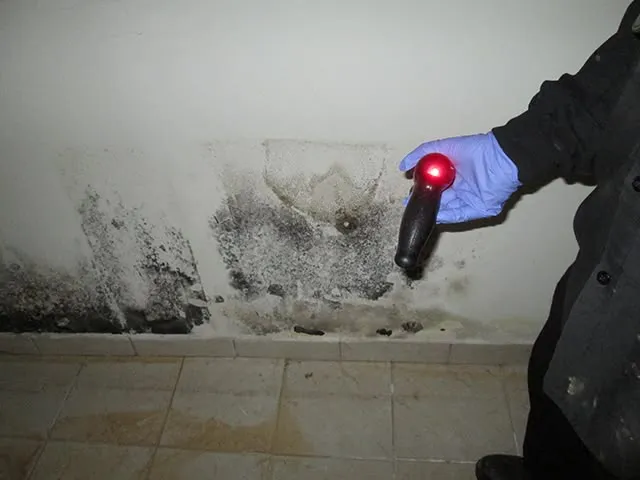
When tenants discover musty odors or suspicious stains inside their apartments, mold testing may seem like the quickest way to establish whether a property is unsafe. Air samples, laboratory reports, and professional inspections can provide information, but interpreting their findings is not always straightforward.
Los Angeles renters considering a mold claim lawyer should understand that test results alone do not automatically establish landlord negligence or a valid legal claim. The condition of the building, source of moisture, and applicable housing requirements are equally important when evaluating suspected contamination.
Understanding Different Mold Testing Methods
Mold professionals may use air sampling, surface sampling, moisture measurements, and visual inspections to investigate suspected contamination. Each method provides different information about the property. Air sampling measures particles collected during a particular period, while surface samples may help identify materials present in a selected location. Moisture measurements indicate conditions that could support future growth.
However, results can vary according to sampling locations, weather, ventilation, and other environmental factors. A single test cannot necessarily describe conditions throughout an entire apartment or establish when a problem developed.
Why Visible Moisture Often Matters More
California public health guidance emphasizes identifying and correcting moisture problems rather than depending exclusively on laboratory testing. Visible mold, water damage, and persistent dampness can justify investigation even without laboratory confirmation. The presence of mold spores is not unusual because spores occur naturally indoors and outdoors. A positive sample therefore does not automatically establish hazardous conditions.
Similarly, a negative or inconclusive result does not rule out hidden moisture behind walls or beneath flooring. Residents should focus on identifying the source of dampness and determining whether affected building materials require appropriate cleaning, drying, or replacement.
Questions to Ask About Inspection Findings
Tenants receiving an inspection report should understand what the professional actually examined. A document containing laboratory numbers may appear authoritative without explaining important limitations.
Before concluding, consider asking:
-
Which rooms and surfaces were inspected?
-
Were moisture measurements collected?
-
What sampling methods were used?
-
Were concealed areas inaccessible?
-
Does the report identify a probable moisture source?
-
What repairs or further investigations are recommended?
These questions can help distinguish useful findings from assumptions. Tenants should also understand whether the inspector evaluated the entire property or only selected locations.
Understanding Black Mold Test Results
Certain reports identify mold species commonly associated with water-damaged buildings. However, a species name alone does not establish the severity of exposure or prove that someone’s symptoms originated inside the apartment. Someone considering a black mold attorney should recognize that legal analysis involves more than laboratory identification.
Medical concerns require evaluation by qualified healthcare professionals. The relationship between environmental conditions and individual symptoms can be complicated. California does not establish a universal numerical indoor mold exposure limit that automatically determines whether every residential property is legally unsafe.
How California Habitability Standards Apply
California landlords generally must maintain rental housing in a condition fit for human occupancy. Under Health and Safety Code Section 17920.3, qualifying dampness or visible mold presenting a health hazard may constitute a substandard housing condition. The legal assessment depends on the circumstances, including applicable duties, notice, and the seriousness of the problem.
Laboratory testing is not automatically required before tenants report suspected mold or request necessary repairs. When property management disputes the condition, a qualified inspection and information from local housing enforcement authorities may help clarify the issues.
When Testing Reports Become Relevant to Disputes
Inspection findings can help explain moisture conditions, the locations examined, and recommendations made by professionals. Their usefulness depends on the investigation’s quality and connection to the disputed facts. A report identifying mold does not independently establish who caused the underlying problem. Maintenance records, repair histories, and communications may provide additional context.
Legal professionals can assess how available evidence relates to a potential habitability or property damage claim. Tenants should preserve original reports and avoid making claims about findings that the inspector did not actually establish.
Why Repairs Should Address the Cause
A property owner might arrange cleaning after receiving test results, but successful remediation requires attention to the moisture source. Depending on the circumstances, appropriate work may involve repairing leaks, improving drainage, drying materials, or removing damaged components.
Additional testing is not always necessary to determine whether visible dampness requires attention. Residents should ask what repairs were completed and whether recurring moisture has been addressed. If the problem continues, further professional investigation may be appropriate.
Conclusion
Mold testing can provide useful information, but laboratory results should not be treated as automatic proof of unsafe housing or legal liability. Understanding inspection limitations, moisture conditions, and applicable California requirements supports a more informed evaluation.
For Los Angeles tenants seeking information about mold-related claims, mehdlaw.com provides resources concerning toxic mold and habitability disputes. Qualified inspection and legal guidance can help residents understand their circumstances without relying exclusively on numerical test results.