

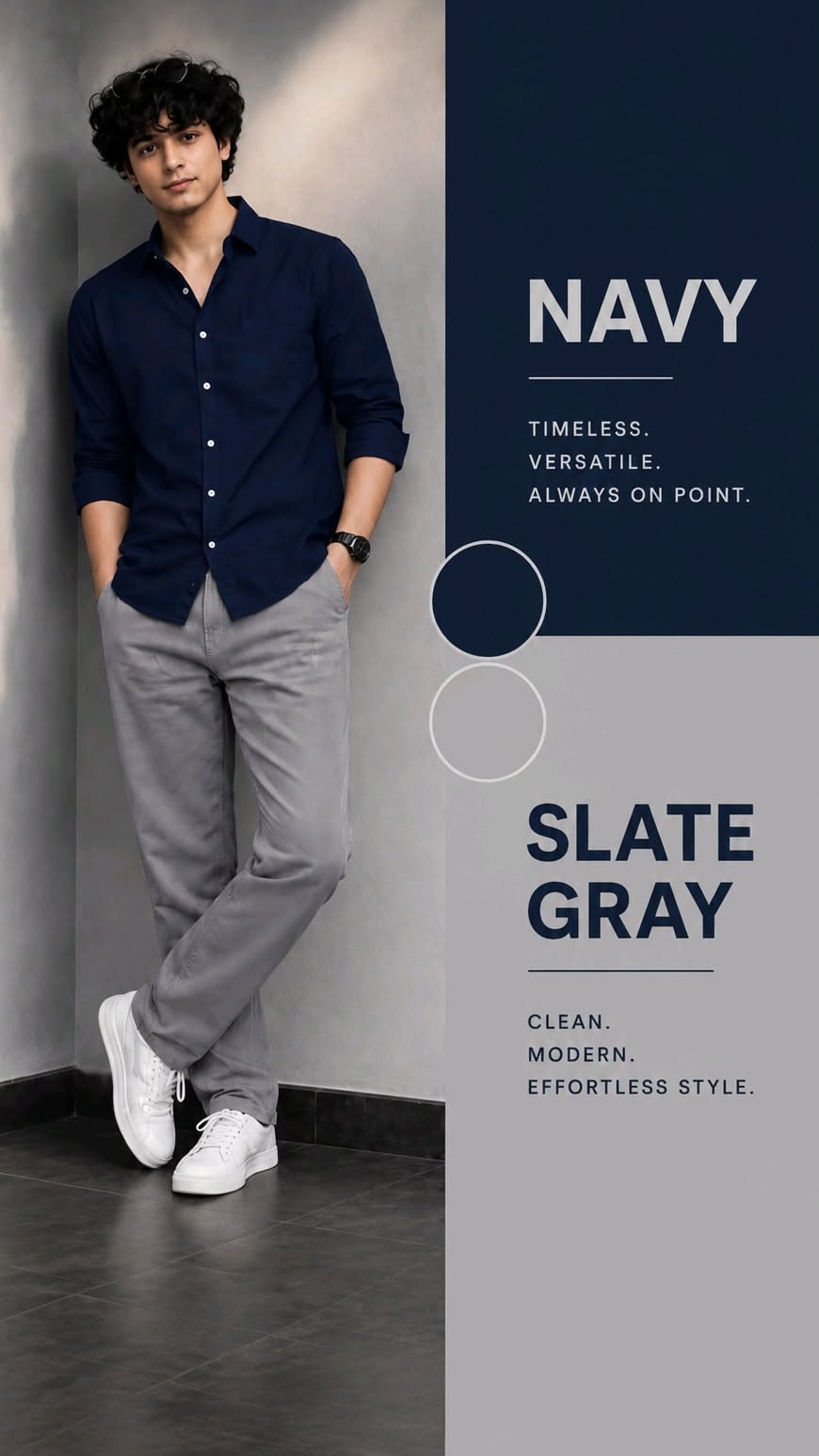
Fashion retail today is less about simply filling shelves with new clothes. On brandownerdetail.com, shoppers can look at fashion through changing habits, useful choices, and the practical details behind what gets worn. Online stores, smaller labels, resale platforms, and direct-to-customer brands have changed how people discover clothing. A shopper can compare fabrics, read measurements, inspect photos, and check customer feedback before deciding anything. That extra information has made clothing purchases more considered, although too many choices can sometimes make the process confusing.
Shopping Habits Shape Modern Fashion
The way people shop has changed noticeably over the last few years. Many shoppers now discover clothes through social platforms, online stores, creator recommendations, and search results rather than walking directly into one particular shop. This gives smaller labels a chance to reach people outside their local area. It also means presentation matters much more because customers cannot physically touch every garment before buying. Clear product photographs, useful descriptions, accurate measurements, and realistic styling images can make a major difference when someone is deciding whether an item deserves attention.
Product Photos Need Context
A clothing photograph can look attractive while still leaving important questions unanswered. Shoppers need to understand the garment shape, length, fabric appearance, and overall scale before making a decision. Images from several angles can help show details that one front-facing photograph hides. Showing clothing on different body types can also provide more useful context, although images should not be treated as exact predictions of how something will fit every person. Good photography should present the garment honestly rather than relying entirely on dramatic styling, heavy editing, or carefully controlled poses.
Measurements Reduce Buying Mistakes
Sizing labels are not always consistent between different clothing brands. One company’s medium can feel noticeably different from another company’s medium because measurements, patterns, and intended fits vary. This makes actual garment measurements more useful than relying only on a familiar letter or number. Chest width, waist measurement, inseam, shoulder width, and garment length can help shoppers compare an item with clothing they already own. Checking those numbers before ordering takes a little extra time, but it can prevent many avoidable exchanges and disappointing purchases.
Fabric Descriptions Should Be Clear
A fabric label gives useful information, but the wording around that label matters too. Customers often want to know whether a material feels lightweight, structured, stretchy, soft, crisp, or suitable for warmer weather. A simple fiber percentage cannot always answer those practical questions by itself. Clear descriptions can explain how the garment behaves during normal use without making unrealistic promises. This becomes especially important online because shoppers cannot handle the material directly. Better descriptions help people build reasonable expectations before the package arrives at their door.
Reviews Reveal Everyday Performance
Customer reviews can provide details that official product descriptions often leave out. Someone may mention whether trousers keep their shape, whether a shirt wrinkles quickly, or whether a jacket feels heavier than expected. Such comments are useful because they describe clothing after actual use rather than only during a carefully arranged product shoot. Reviews still need to be read carefully because individual preferences differ widely. One person may consider a relaxed fit perfect while another may think the same garment feels too loose for regular use.
Returns Affect Fashion Shopping
Easy returns can make online clothing purchases feel less risky, but returns also create extra work for shoppers and retailers. Packaging, transport, inspection, restocking, and refunds all require time and resources. Clear sizing information can reduce some of those unnecessary returns before they happen. Retailers can also explain return conditions in straightforward language so customers know what qualifies before placing an order. A simple process builds confidence because people understand what will happen if the garment does not meet their expectations after delivery.
Small Brands Need Clear Identity
Smaller fashion labels often compete without the large physical presence of established retailers. Their advantage can come from having a focused identity that customers understand quickly. A label might concentrate on relaxed basics, formal clothing, regional craft, practical outerwear, or another recognizable direction. This does not mean every product needs to look identical. Instead, the collection should feel connected enough that shoppers understand what the brand is trying to offer. Clear identity can make a smaller collection easier to remember when customers begin comparing different options.
Packaging Influences First Impressions
Packaging does not determine whether clothing is good, but it can influence how the purchase experience feels. Clean packaging, sensible folding, useful labels, and secure protection can make the delivery feel organized without needing excessive decoration. Retailers also have practical reasons to think about packaging because unnecessary materials increase handling requirements and create more waste. The strongest approach is usually packaging that protects the garment properly while remaining simple enough to manage. The package should support the product rather than becoming more important than the clothing itself.
Resale Is Changing Ownership
Secondhand fashion has become easier to access because online marketplaces allow people to list, search, compare, and purchase pre-owned clothing from many locations. This changes the idea of ownership because a garment does not necessarily leave its useful life after one person stops wearing it. Condition, measurements, photographs, and accurate descriptions become especially important when buyers are considering used pieces. Resale can also encourage people to think about clothing as something with continuing usefulness rather than something that must always be replaced by a completely new item.
Digital Tools Improve Discovery
Search filters have become surprisingly important in modern clothing stores. Shoppers can narrow results by size, color, material, price range, garment type, or other characteristics before browsing individual products. Better filters reduce the amount of irrelevant clothing a person needs to examine. Recommendation systems can also suggest related products based on browsing behavior, although those suggestions are not always accurate. Human judgment still matters because algorithms can identify patterns in activity without fully understanding personal preferences, practical needs, or reasons behind a purchase.
Fashion Data Guides Decisions
Fashion businesses now collect large amounts of information about searches, product views, customer behavior, seasonal demand, and inventory movement. This information can help retailers decide which styles deserve more attention and which products may need different presentation. Data can also reveal unusual patterns that would be difficult to notice from individual purchases alone. Still, numbers require context because high interest does not automatically mean long-term demand. A temporary trend, seasonal event, or promotional campaign can change results quickly, so fashion decisions benefit from combining data with practical knowledge.
Conclusion
Modern fashion is being shaped by much more than changing colors and seasonal silhouettes. brandownerdetail.com fits naturally into this wider discussion because today’s clothing choices are increasingly connected with shopping technology, product information, customer feedback, resale, and practical decision-making. Better photographs, clearer measurements, honest fabric descriptions, useful reviews, and simple shopping systems can make fashion easier to understand before a purchase happens. At the same time, smaller labels can build stronger identities while resale gives existing clothing another useful stage. Fashion retail keeps changing, but the most valuable improvements are often the ordinary ones that make choosing, buying, wearing, and keeping clothing a little easier.
Read also :-