
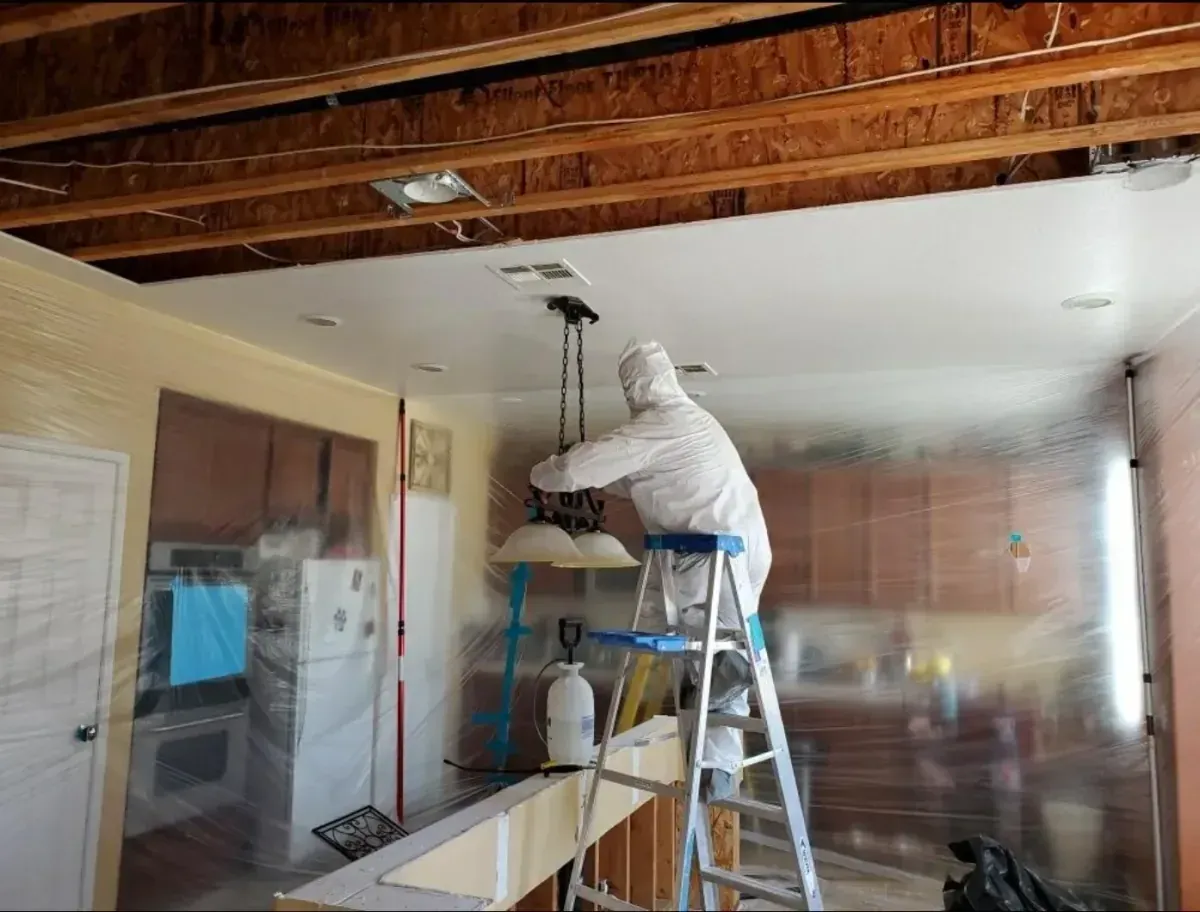
A damp wall, recurring leak, musty odor, or visible mold can raise questions about both the condition of a rental home and what should happen next. Tenants do not need to decide immediately who is legally responsible or what a future claim might be worth. The more useful first step is often to create a clear record of what was observed, when it occurred, and how the problem was reported. Someone considering a los angeles habitability lawyer may find that organized documentation makes it easier to explain the history of the issue and separate known facts from assumptions.
Photograph the Condition Clearly
Take photographs or video of visible moisture, staining, damaged materials, or mold growth. Include wider images that show where the condition is located as well as close-ups showing detail.
If the problem changes over time, record those changes instead of relying on one photo. Keep original files where possible so dates are easier to verify.
Photographs cannot answer every legal or scientific question, but they can create a useful record of what the tenant actually observed.
Give Notice in Writing
When a problem is reported, written communication can help establish when notice was given and what was described. Email, maintenance portals, or text messages may create a clearer record than a conversation that is later difficult to reconstruct.
Describe the condition factually: where it is located, when it was noticed, whether there is active water intrusion, and whether it has returned after earlier work.
California public-health guidance advises renters who suspect mold or moisture to notify the property owner or manager. It also explains that qualifying dampness or visible mold may be treated as a substandard housing condition.
Keep Repair and Inspection Records
Save work orders, inspection notices, contractor visits, emails, and other communications about attempted repairs.
If someone visits the unit, note the date, what area was inspected, and what work was performed. Avoid guessing about technical findings that were never communicated.
If the condition returns, document that separately. A simple timeline showing repeated moisture or repair events is easier to understand than scattered messages.
Record Damage to Belongings
Moisture can affect furniture, clothing, books, electronics, or other personal property depending on the circumstances. Before discarding damaged items, take photographs and keep reasonable records of what was affected.
Receipts, order confirmations, older photographs, or replacement estimates may help establish ownership and value. Accurate records are more useful than exaggerated figures.
A tenant mold lawyer may assess property-loss information differently depending on the cause of the moisture, lease terms, available evidence, and other facts.
Build a Short Chronology
Create a timeline that includes when the condition was first noticed, when notice was sent, when inspections or repairs occurred, and whether the problem returned.
Keep it concise. The purpose is to make the sequence clear, not to document every conversation in detail.
If the tenant was away from the property for a relevant period or could not access an affected area, note that too.
Separate Health Concerns From Legal Conclusions
Damp or moldy environments can be associated with respiratory or allergic effects for some people, but symptoms can have many causes. Anyone with health concerns should seek appropriate medical advice rather than trying to diagnose mold-related illness from photographs or internet information.
Keep relevant medical records if needed, but avoid assuming that visible mold by itself proves medical causation.
Know Where Local Enforcement Fits
The California Department of Public Health does not conduct individual home inspections for mold. Its guidance directs renters toward local code-enforcement agencies when qualifying dampness or mold conditions are not being addressed.
Whether that step is appropriate depends on the circumstances, so tenants should check current local procedures.
Preserve Evidence Without Delaying Necessary Repairs
People understandably want damaged materials removed quickly. Safety and health concerns may make prompt remediation important.
Do not interfere with needed repairs simply to preserve a condition. Instead, document what can reasonably be recorded beforehand through photographs, messages, and available reports.
Conclusion
When mold or dampness appears in a California rental, a clear factual record is often more useful than rushing to conclusions about liability. Photographs, written notice, repair records, a timeline, and documentation of damaged belongings help preserve the history of the problem.
Health concerns should be handled through appropriate medical channels, while housing-condition questions may involve property management, local enforcement, or legal advice depending on the facts. Organized records cannot guarantee a particular outcome, but they can make later conversations more accurate and easier to evaluate.