

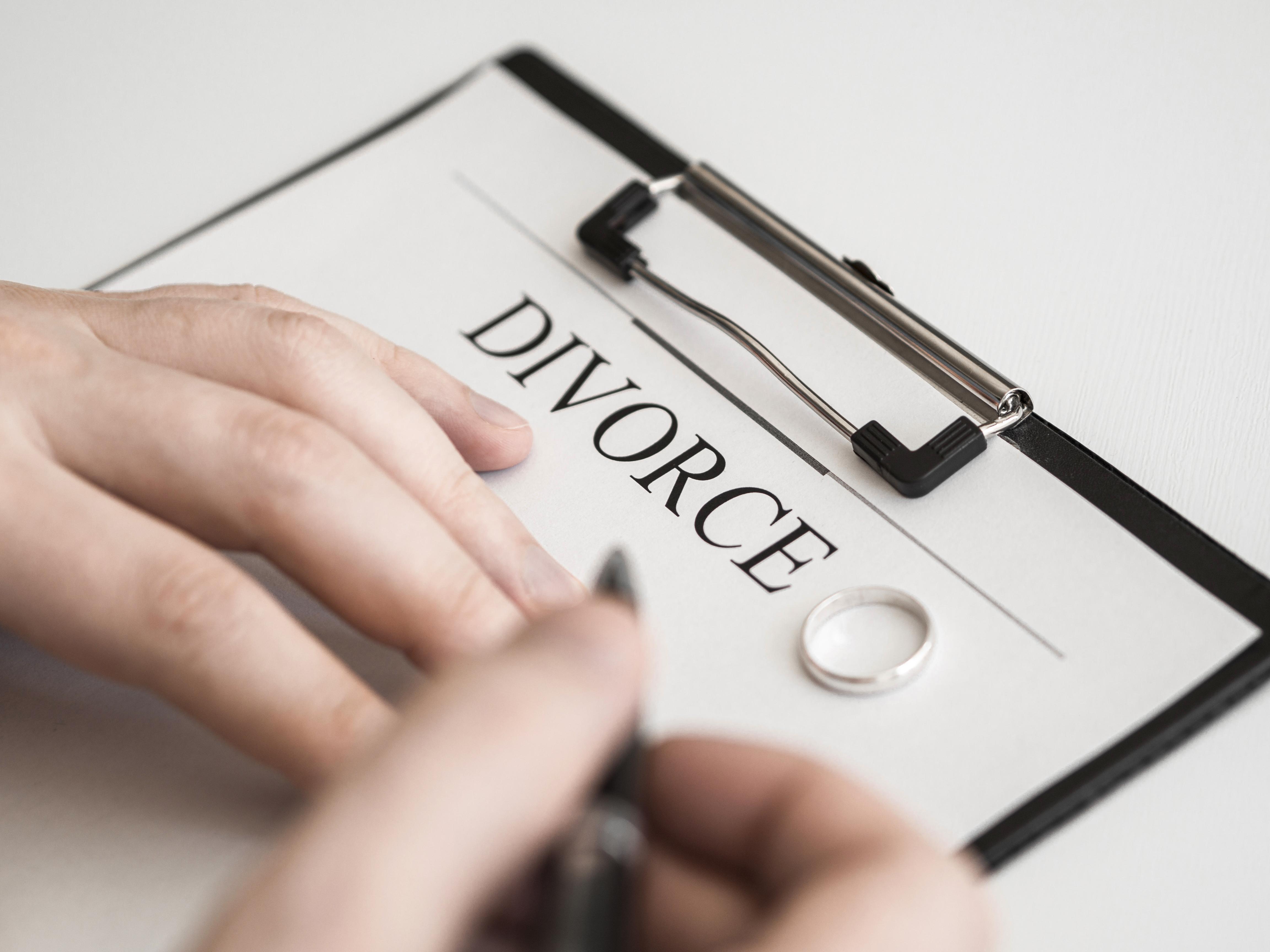
Marriage is often seen as a lifelong commitment, but not every relationship unfolds as planned. When differences become irreconcilable, separation may feel like the only path forward. In such moments, understanding the divorce law in Nepal and the divorce process in Nepal becomes crucial. Just as important is finding a reliable Divorce Lawyer in Nepal who can guide you through the legal and emotional complexities of this journey.
This article offers a clear, humanized, and informative look at how divorce works in Nepal, what the law says, and how the right legal support can help you move forward with confidence.
Understanding Divorce Law in Nepal
The divorce law in Nepal is primarily governed by the Muluki Civil Code 2017 (2074 BS), which outlines the rights and responsibilities of both spouses. Nepal recognizes divorce as a legal right for both men and women, although the grounds and procedures may vary slightly depending on the situation.
Traditionally, divorce carried social stigma in Nepal, but over time, perspectives have shifted. Today, more individuals are choosing legal separation when a marriage no longer serves their well-being.
The law aims to ensure fairness while protecting vulnerable parties, especially in matters involving children, property, and financial support.
Grounds for Divorce in Nepal
Before initiating the divorce process in Nepal, it’s important to understand the legal grounds under which a divorce can be filed.
For husbands, some common grounds include:
- If the wife has been living separately for a certain period without consent
- If she commits adultery
- If she subjects him to physical or mental cruelty
For wives, the law provides broader protections. A wife can file for divorce if:
- The husband marries another woman
- He abandons her without proper care or support
- He commits domestic violence or abuse
- He forces her into inhumane or degrading situations
These provisions reflect an effort to balance traditional values with modern human rights considerations.
Divorce Process in Nepal: Step-by-Step
The divorce process in Nepal can vary depending on whether both parties agree to the separation or if it is contested.
1. Filing the Petition
The process begins when one spouse files a divorce petition in the district court. This petition includes reasons for the divorce and any claims regarding property, custody, or alimony.
2. Court Notice
Once the petition is filed, the court sends a notice to the other spouse, asking them to respond within a specified time.
3. Mediation and Reconciliation
Nepalese courts often encourage reconciliation. Couples may be asked to attend mediation sessions to resolve their differences amicably.
4. Court Hearing
If reconciliation fails, the case proceeds to a formal hearing where both sides present their arguments and evidence.
5. Final Decision
The court reviews all aspects, including financial arrangements and child custody, before granting the divorce.
Mutual consent divorces are generally quicker and less stressful, while contested cases can take longer due to legal complexities.
Role of a Divorce Lawyer in Nepal
Navigating the legal system without professional help can be overwhelming. This is where a Divorce Lawyer in Nepal becomes invaluable.
A skilled lawyer does more than just represent you in court—they provide clarity, strategy, and emotional reassurance during a difficult time.
Here’s how they can help:
- Explain your legal rights and obligations clearly
- Prepare and file all necessary legal documents
- Represent you in court proceedings
- Negotiate settlements for property and custody
- Ensure that the process moves as smoothly as possible
Choosing the right lawyer can significantly impact the outcome of your case. Experience, communication skills, and a compassionate approach are key qualities to look for.
Child Custody and Financial Matters
Divorce isn’t just about ending a marriage—it often involves complex decisions about children and finances.
Child Custody
Nepalese law prioritizes the best interests of the child. Custody may be granted to either parent depending on factors such as:
- The child’s age
- Financial stability of each parent
- Emotional and physical well-being
In many cases, courts encourage shared responsibilities to ensure the child maintains a relationship with both parents.
Property Division
Property acquired during the marriage is subject to division. The law seeks a fair distribution, taking into account each spouse’s contribution.
Alimony and Support
Financial support may be granted to a spouse who is economically dependent. This ensures that both parties can maintain a reasonable standard of living after the divorce.
Emotional and Social Aspects of Divorce
While the divorce process in Nepal focuses on legal procedures, the emotional side of separation cannot be ignored. Divorce can bring feelings of loss, uncertainty, and stress.
In Nepalese society, where family ties are deeply valued, divorce may also involve social challenges. However, attitudes are gradually evolving, and more people are recognizing that ending an unhealthy marriage can lead to a healthier, more fulfilling life.
Seeking support from friends, family, or professional counselors can make a significant difference during this transition.
Tips for Navigating Divorce Smoothly
Although every situation is unique, a few practical steps can help make the process less overwhelming:
- Stay informed: Understanding the divorce law in Nepal helps you make better decisions
- Choose the right lawyer: A reliable Divorce Lawyer in Nepal can guide you effectively
- Keep communication respectful: This is especially important if children are involved
- Focus on long-term well-being: Think beyond immediate emotions and consider your future
Common Challenges in Divorce Cases
Despite legal clarity, divorce cases can sometimes become complicated due to:
- Disputes over property or finances
- Child custody disagreements
- Delays in court proceedings
- Emotional conflicts between spouses
Having professional legal support can help you navigate these challenges more efficiently and avoid unnecessary stress.
Why Legal Awareness Matters
Many individuals enter the divorce process in Nepal without fully understanding their rights. This lack of awareness can lead to unfavorable outcomes.
By learning about the divorce law in Nepal and consulting an experienced lawyer, you can ensure that your interests are protected. Knowledge empowers you to make informed choices and approach the situation with confidence.
Final Thoughts
Divorce is never an easy decision, but it is sometimes a necessary step toward a better future. Nepal’s legal system provides a structured framework to ensure fairness, protect rights, and support individuals through this transition.
Whether you are just exploring your options or ready to take legal action, understanding the divorce process in Nepal and seeking guidance from a trusted Divorce Lawyer in Nepal can make all the difference.
At the end of the day, divorce is not just about ending a relationship—it’s about starting a new chapter. With the right knowledge, support, and mindset, that chapter can be one of growth, stability, and renewed hope.