

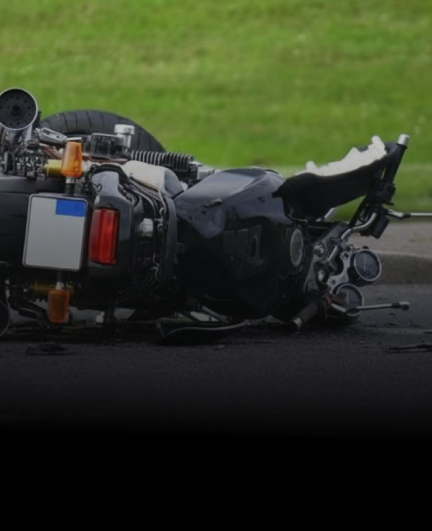
Motorcycling in Alberta offers freedom, efficiency, and an unmatched riding experience — especially on Calgary’s highways and scenic routes. However, when accidents happen, motorcyclists often face unique insurance challenges that differ significantly from those encountered by drivers of passenger vehicles. Understanding these challenges ahead of time can help Alberta riders protect their rights, finances, and future.
This guide explores the most common insurance issues motorcyclists face in Alberta and how to navigate them effectively.
1. Bias Against Motorcyclists
One of the most significant challenges Alberta riders encounter is insurance bias. Motorcyclists are often unfairly perceived as risk-takers or reckless riders, even when the evidence suggests otherwise.
How This Affects Claims:
- Adjusters may assume rider fault early in the claims process
- Legitimate claims may face greater scrutiny
- Settlement offers may be lower than deserved
Legal Insight:
Alberta follows a fault-based insurance system, meaning compensation depends on proving who caused the accident. Bias can influence how insurers interpret evidence, making early legal guidance critical.
2. Partial Fault and Contributory Negligence
In Alberta, insurance claims operate under contributory negligence rules. This means that even if another driver caused the accident, insurers may argue that the rider contributed in some way.
Common Arguments Used by Insurers:
- Speeding or lane positioning
- Visibility issues (dark clothing or lighting)
- Failure to avoid the collision
If a rider is found partially at fault, compensation is reduced by their percentage of responsibility.
Example:
If damages total $100,000 and the rider is found 25% at fault, compensation may be reduced to $75,000.
3. Helmet Use and Safety Gear Disputes
Helmet use is mandatory in Alberta, with limited religious exemptions. Even when a helmet is worn, insurers may raise issues related to:
- Improper helmet fit
- Non-certified helmets
- Chin straps not fastened
- Lack of additional protective gear
Why It Matters:
Insurance companies may argue that injuries were worsened due to inadequate gear, reducing compensation — particularly for head, neck, or facial injuries.
Important Note:
Failure to wear proper gear does not automatically eliminate your claim, but it can influence the final settlement amount.
4. Disputes Over Injury Severity
Motorcycle accidents often result in serious injuries, including:
- Traumatic brain injuries
- Spinal cord injuries
- Road rash and permanent scarring
- Orthopedic damage
Despite this, insurers may:
- Downplay injury severity
- Claim injuries are pre-existing
- Argue that recovery should be faster
This can delay treatment approvals and reduce compensation for pain, suffering, and future care.
Tip:
Detailed medical records, specialist reports, and ongoing documentation are essential to counter these tactics.
5. Insurance Coverage Gaps
Many riders in Alberta unknowingly carry minimum insurance coverage, which may be insufficient after a serious crash.
Common Coverage Issues:
- Insufficient third-party liability limits
- No collision or comprehensive coverage
- Lack of uninsured or underinsured motorist protection
If the at-fault driver has limited insurance — or no insurance at all — riders may struggle to recover full compensation.
Recommendation:
Alberta riders should review policies annually and consider higher liability limits, especially given the severity of motorcycle injuries.
6. Motorcycle Modifications and Claim Denials
Customizations such as exhaust systems, performance upgrades, or cosmetic modifications can create complications during insurance claims.
Potential Problems:
- Insurer disputes bike value
- Modifications not disclosed in policy
- Claims denied for undeclared upgrades
Insurance companies may argue that modifications:
- Increased accident risk
- Changed the motorcycle’s insured value
- Violated policy conditions
Solution:
Always disclose modifications and confirm they are covered under your policy.
7. Delayed Claims and Settlement Tactics
Delays are a common frustration for injured riders. Insurers may:
- Request repeated documentation
- Delay medical assessments
- Prolong settlement negotiations
These delays can place financial pressure on injured riders who may be unable to work or require ongoing medical care.
Legal Insight:
In Alberta, insurers have a duty to act in good faith. Excessive delays may strengthen a rider’s legal position.
8. Income Loss and Self-Employment Challenges
Many motorcycle riders in Calgary are:
- Self-employed
- Contractors
- Seasonal workers
Insurance companies may dispute:
- Income loss calculations
- Future earning capacity
- Business interruption claims
Without proper documentation, insurers may undervalue lost income or deny future loss claims entirely.
Best Practice:
Maintain tax records, invoices, contracts, and income statements to support loss claims.
9. Passenger Injury Complications
When a passenger is injured on a motorcycle, claims become more complex.
Issues Include:
- Determining rider vs. third-party fault
- Multiple insurers involved
- Passenger claims against the rider
Even if another driver caused the crash, the rider’s insurer may still be involved, increasing legal complexity.
10. Navigating Alberta’s Legal Deadlines
Insurance claims are subject to strict limitation periods in Alberta. Missing deadlines can jeopardize compensation.
Key Timelines:
- Notice to insurer
- Accident benefit claims
- Personal injury lawsuits
Early action ensures compliance and preserves evidence.
Conclusion
Motorcycle riders in Alberta face unique insurance challenges — from bias and partial fault arguments to coverage gaps and delayed settlements. Understanding these obstacles can help Calgary riders make informed decisions before and after an accident.
If you’ve been injured in a motorcycle crash, seeking legal advice early can help ensure insurers treat your claim fairly and that you receive the compensation you’re entitled to under Alberta law.
Consult an Injury Lawyer Early
A personal injury lawyer experienced in motorcycle cases can help:
- Interpret how laws apply to your crash
- Negotiate with insurers
- Assess all sources of compensation, including loss of income, pain and suffering, and future care needs
metoprolol tartrate
metoprolol tartrate
ivermectin stromectol where to buy
ivermectin stromectol where to buy
azithromycin z pack
azithromycin z pack
priligy
priligy
fluconazole tablet
fluconazole tablet
doxycycline hyclate 100mg price
doxycycline hyclate 100mg price
metoprolol succinate xl
metoprolol succinate xl
rifampicin
rifampicin
doryx for ear infection
doryx for ear infection
cialis guidelines
cialis guidelines
Comments are closed.