

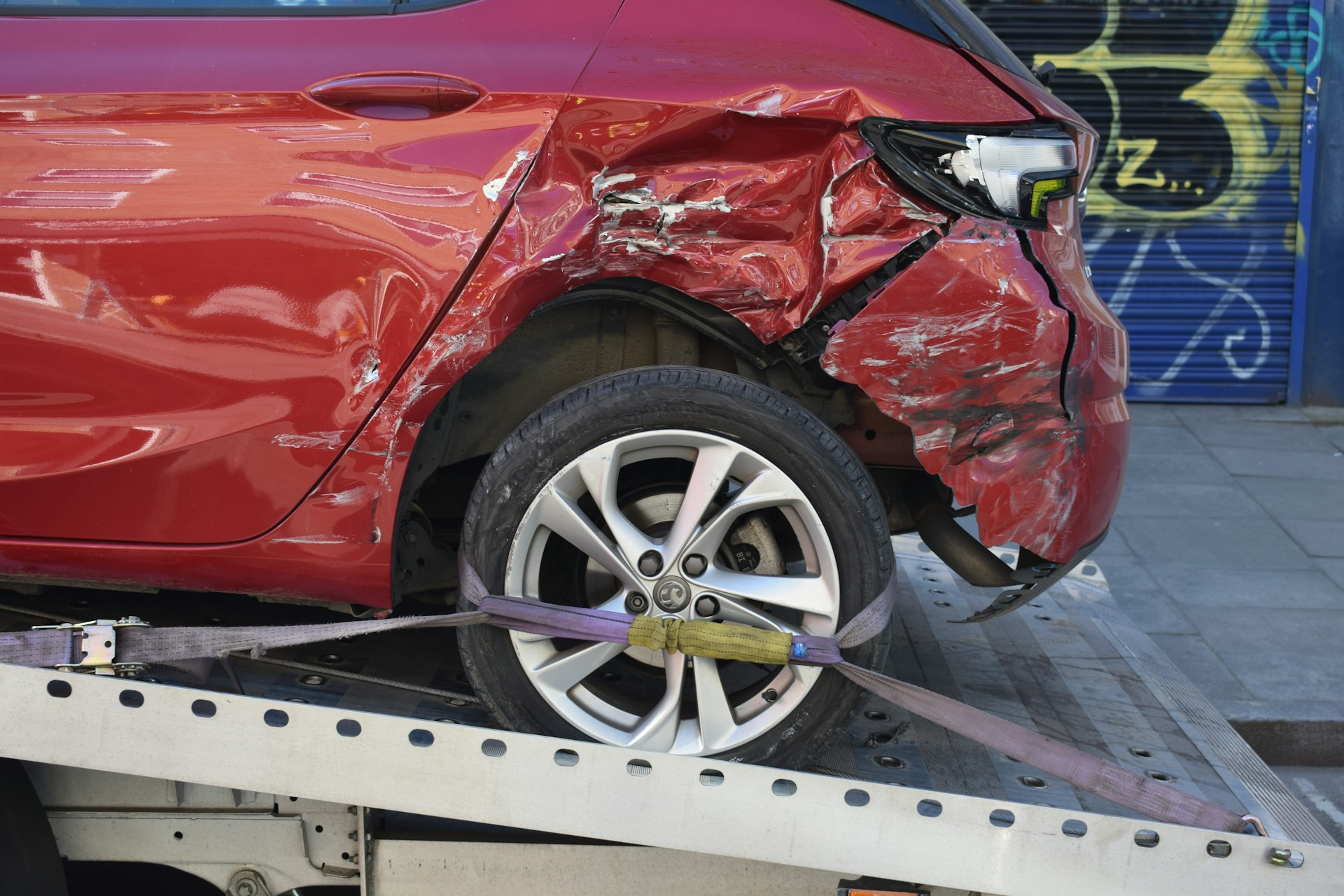
Winter driving in Medicine Hat can be hazardous. Snow, black ice, and reduced visibility make accidents more likely—especially on highways and busy intersections. But when a crash happens due to icy conditions, many drivers wonder: Who is actually liable?
The answer isn’t always straightforward. Even in severe weather, liability often depends on driver behavior and other contributing factors. Understanding how fault is determined can help you protect your rights—especially if you’re working with a personal injury lawyer Medicine Hat residents trust after an accident.
Does Bad Weather Automatically Mean No One Is at Fault?
No. Weather conditions like ice and snow do not eliminate liability.
In Alberta, drivers are expected to adjust their behavior based on road conditions. This means:
- Reducing speed
- Maintaining a safe following distance
- Using appropriate winter tires
- Staying alert and in control of the vehicle
If a driver fails to take reasonable precautions, they may still be found at fault—even if the road was icy.
When a Driver Is Liable in Winter Accidents
A driver may be considered negligent if they:
- Drive too fast for conditions
- Fail to maintain control of their vehicle
- Follow too closely and cause a rear-end collision
- Ignore weather warnings or road advisories
For example, if a driver skids on ice and hits another vehicle, they may still be held responsible if they were driving carelessly given the conditions.
Can the City or Municipality Be Responsible?
In some cases, liability may extend beyond drivers.
Municipalities or road maintenance authorities may be responsible if:
- Roads were not properly cleared or sanded
- Dangerous conditions were ignored or not addressed in a reasonable time
- There was inadequate signage or warning of hazards
However, claims against municipalities can be challenging and often involve strict notice requirements and shorter deadlines.
What About Multi-Vehicle Collisions?
Winter conditions often lead to chain-reaction crashes involving multiple vehicles.
In these situations:
- Fault may be shared among several drivers
- Each driver’s actions are evaluated individually
- Compensation may be reduced based on your percentage of fault
Determining liability in these cases can be complex and often requires detailed investigation.
How Alberta’s Insurance System Applies
Alberta uses a system that separates property damage and injury claims:
Property Damage
Under Direct Compensation for Property Damage (DCPD):
- Your own insurer pays for vehicle repairs
- You deal directly with your insurance company
Personal Injury Claims
- Still based on fault
- You can pursue compensation from the at-fault party
- May include damages for pain and suffering, lost income, and medical costs
Even in winter accidents, fault remains a key factor in determining compensation.
What Compensation Can You Claim?
If you’ve been injured in a winter crash, you may be entitled to:
- Medical and rehabilitation expenses
- Lost wages and reduced earning capacity
- Pain and suffering
- Future care needs
- Out-of-pocket expenses
The severity of injuries often determines the value of your claim.
Steps to Take After a Winter Accident
If you’re involved in a crash on icy roads, take these steps to protect your claim:
1. Seek Medical Attention
Your health comes first—even if injuries seem minor.
2. Call the Police
A report is especially important in winter accidents where conditions may be disputed.
3. Document the Scene
Take photos of:
- Road conditions (ice, snow, visibility)
- Vehicle damage
- Surroundings and traffic signs
4. Gather Witness Information
Witnesses can help confirm road conditions and driver behavior.
5. Notify Your Insurance Company
Report the accident promptly.
6. Consult a Personal Injury Lawyer
Speaking with a personal injury lawyer Medicine Hat residents rely on can help clarify liability and strengthen your claim.
Why Legal Help Matters in Winter Accident Claims
Winter accidents often involve disputes over whether the crash was caused by weather or driver negligence. A lawyer can:
- Investigate road conditions and maintenance records
- Gather expert evidence
- Determine all liable parties
- Handle negotiations with insurers
- Ensure fair compensation
This is especially important in complex or multi-vehicle collisions.
Time Limits to Keep in Mind
In Alberta, you generally have two years to file a personal injury lawsuit. However, claims against municipalities may require much earlier notice.
Acting quickly helps preserve evidence and protect your rights.
Final Thoughts
Icy roads in Medicine Hat can make driving dangerous—but they don’t remove responsibility. In most cases, drivers are still expected to operate their vehicles safely, even in challenging conditions.
If you’ve been injured in a winter accident, understanding who is liable is key to securing fair compensation. Working with an experienced personal injury lawyer Medicine Hat residents trust can help you navigate the process with confidence.
Need Help After a Winter Accident?
At AB Insurance Lawyer, we help clients across Medicine Hat and Alberta handle complex winter accident claims. Whether your case involves icy roads, multiple vehicles, or disputed liability, our team is here to protect your rights.
Contact us today for a free consultation and take the first step toward recovery.